

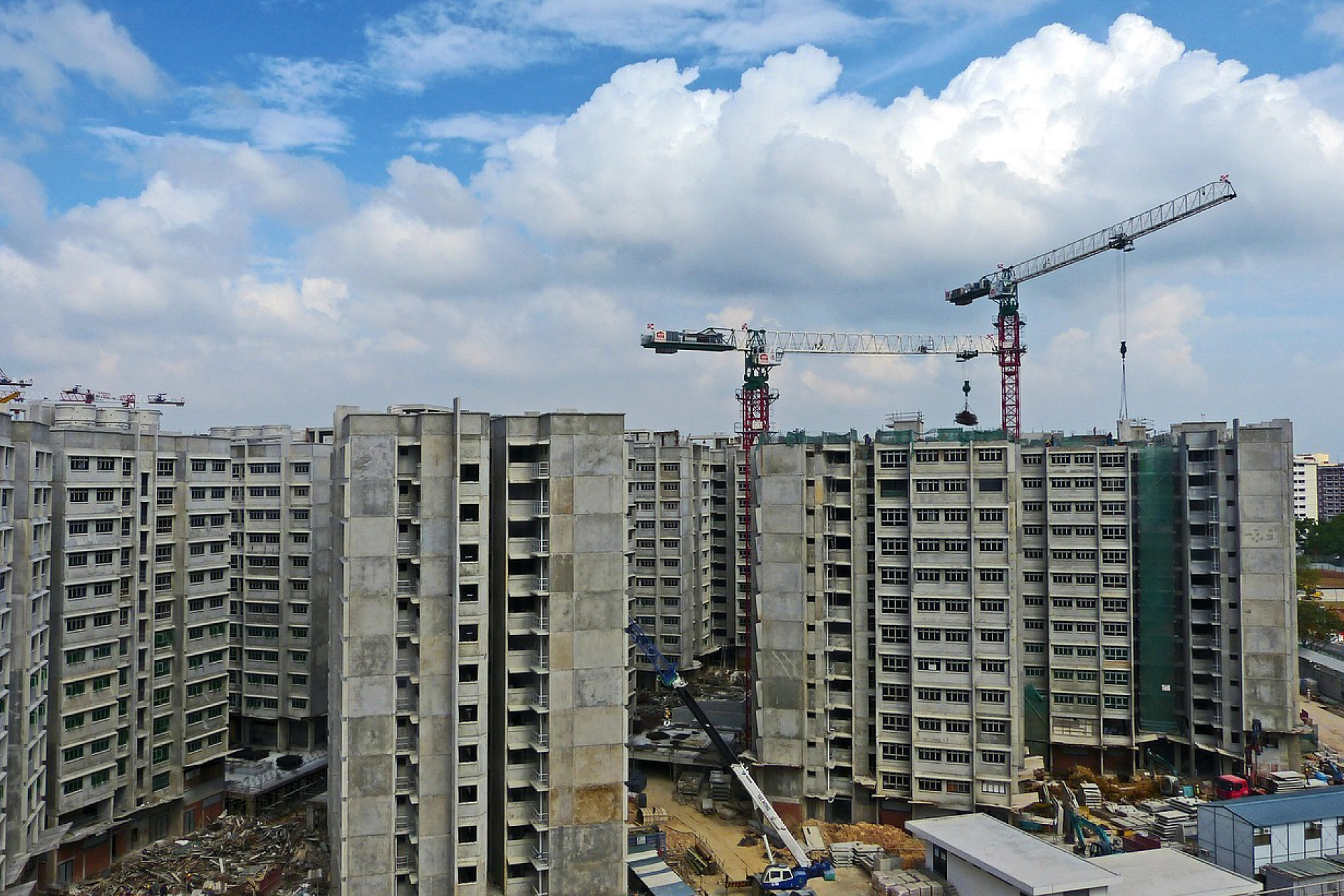
Africa faces an unprecedented housing challenge. With its urban population projected to grow by 700 million people by 2050, the continent must find ways to shelter a burgeoning number of city dwellers amid an existing deficit exceeding 56 million units . The pressure is immense from Nigeria’s 28 million-unit shortage to Kenya’s annual delivery of fewer than 50,000 homes against a demand of 250,000. This gap often forces residents into informal settlements, but creative and multi-faceted solutions are emerging to tackle this conundrum.
Learning from Success Stories
Several large-scale initiatives demonstrate that progress is possible. Ethiopia’s Integrated Housing Development Programme (IHDP) has delivered over 500,000 affordable units in Addis Ababa since 2006, simultaneously creating thousands of construction jobs . Similarly, Morocco’s “Villes Sans Bidonvilles” (Cities Without Slums) initiative has rehoused 1.6 million people by leveraging a public-private partnership model to provide subsidized housing.
Innovative Financing and Building Technologies
Beyond government programs, innovation is key. Financially, pan-African institutions like Shelter Afrique are pioneering new models, promoting local currency bond issues and green financing to unlock capital for affordable construction. Technologically, 3D-printing presents a promising, sustainable solution. Research shows it can reduce construction time by 70% and the carbon footprint of buildings by almost half, though costs for imported materials remain a challenge.
Transforming Africa’s housing deficit into an opportunity for inclusive growth requires this combination of political will, financial innovation, and technological adaptation. By scaling up what works and embracing new solutions, African nations can build sustainable and livable cities for the future.