

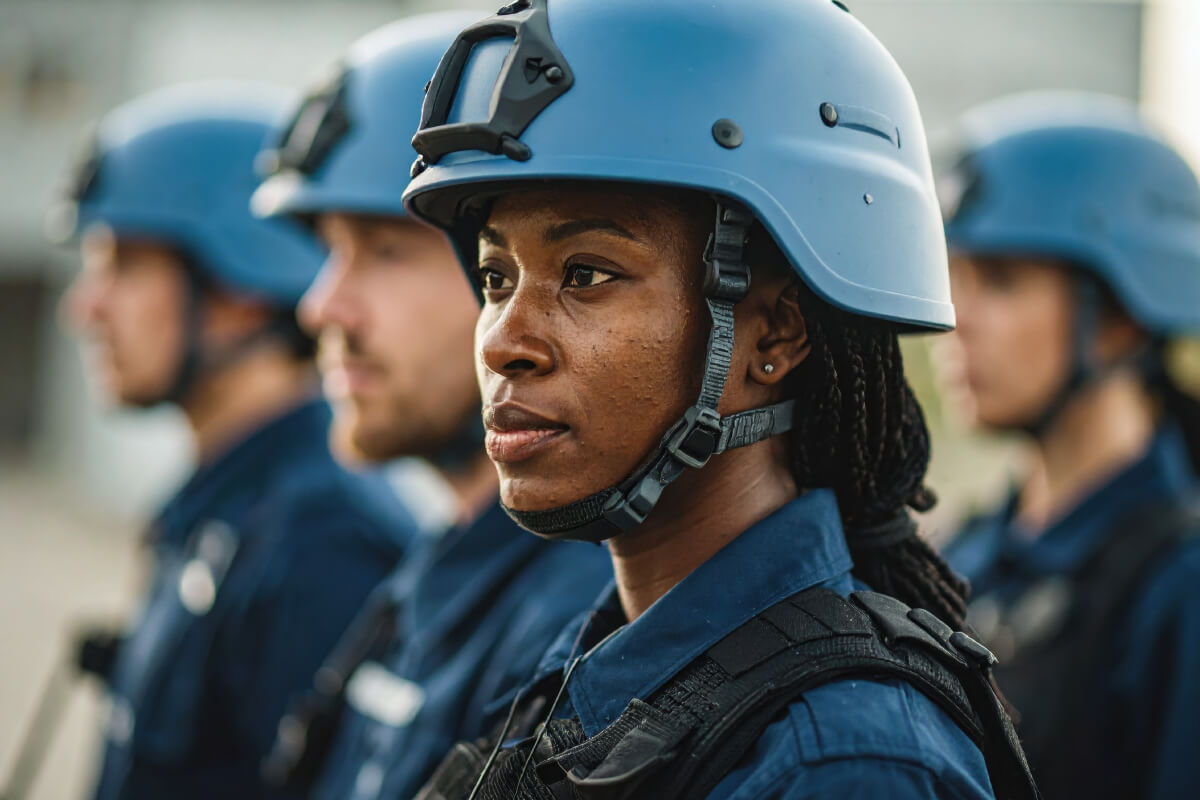
The foundation of trusted, effective policing lies not in equipment alone, but in the character and competence of every officer. Transforming law enforcement in African cities, therefore, demands a radical reimagining of police training curricula, placing human rights, ethics, and community engagement at its core.
Modern training must extend beyond firearms and procedure. It requires immersive education in de-escalation, cultural competency, and the psychology of trauma-informed response. Scenario-based learning, developed with community input, can prepare officers for the complex realities of urban patrols. Crucially, training must instill an unwavering commitment to professional accountability, teaching officers to uphold the law while being subject to it.
Initiatives like South Africa’s rollout of a national policing curriculum and Rwanda’s emphasis on integrity modules demonstrate this shift. By integrating continuous assessment, oversight mechanisms, and leadership that models ethical conduct, agencies can institutionalize change.
Ultimately, reformed training is an investment in legitimacy. It produces officers who see themselves as guardians, not warriors professionals equipped to protect with both skill and respect, thereby rebuilding the essential covenant of trust with the public they serve.