

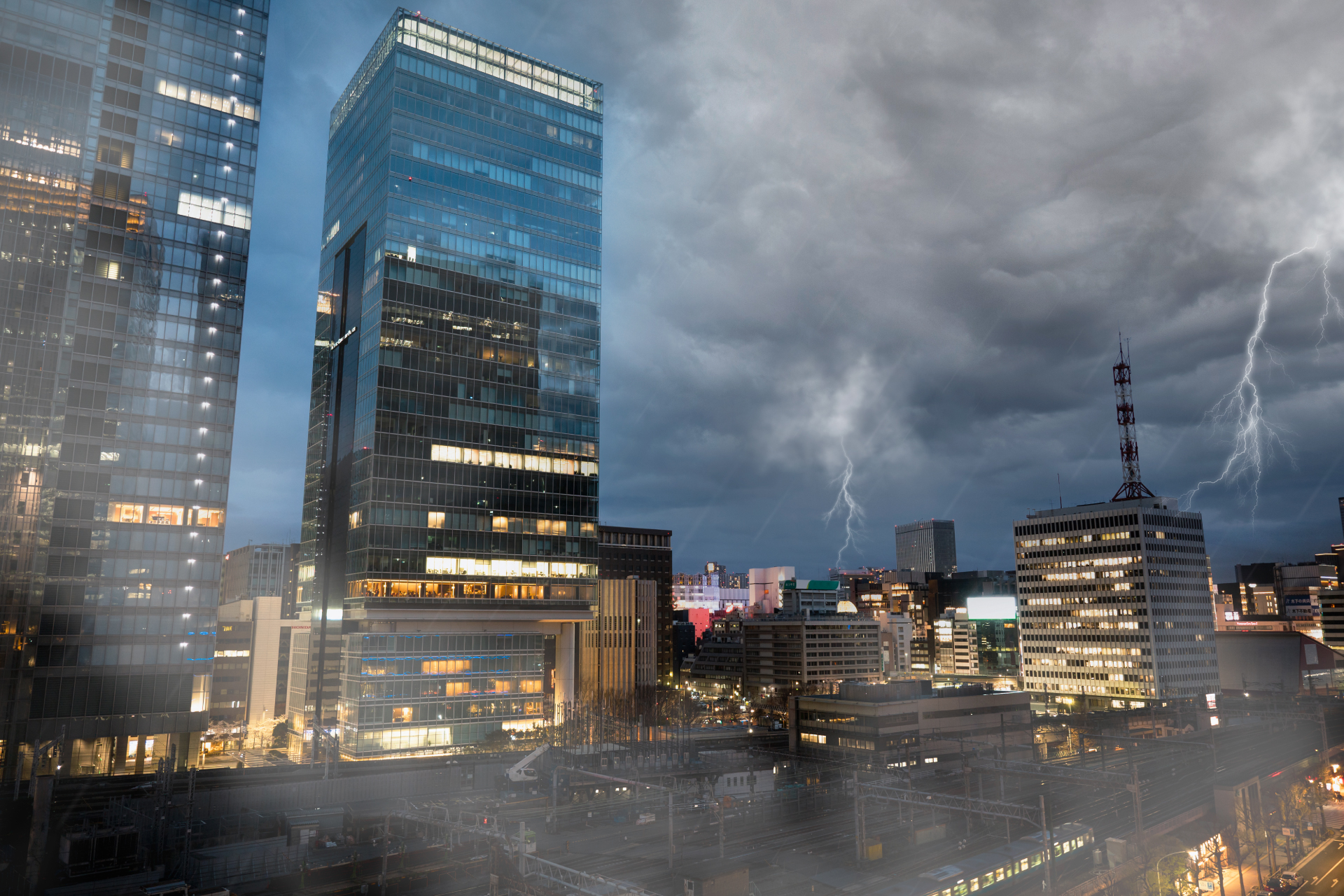
From Cape Town’s “Day Zero” drought to devastating floods in Durban, African cities are on the front lines of the climate crisis. With rapid urbanization concentrating people and assets in vulnerable areas, building resilience is no longer a secondary concern it is an urgent, non-negotiable imperative for sustainable development.
The path forward requires a fundamental shift in urban planning. Instead of just reacting to disasters, cities must proactively integrate climate adaptation. This means investing in green infrastructure, such as restoring mangroves and wetlands to buffer against storms and floods. It demands upgrading informal settlements with durable infrastructure and secure land tenure to protect the most vulnerable. Early warning systems and robust disaster management plans are also critical.
South Africa’s cities are leading by example. eThekwini (Durban) has pioneered a community-based adaptation strategy, while Cape Town is diversifying its water sources. By weaving climate resilience into the fabric of urban development, African cities can transform vulnerability into opportunity, ensuring they are not just surviving but thriving in the face of change.